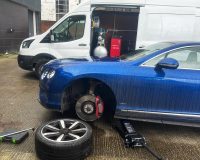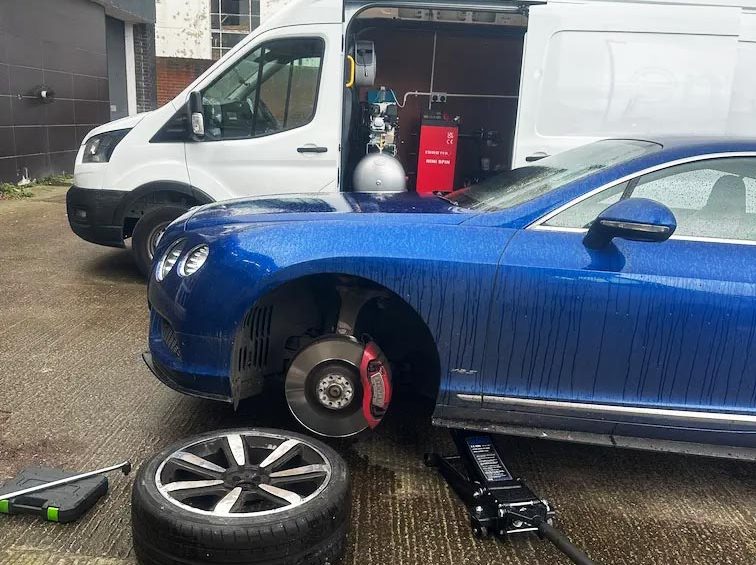
The most common tyre issues and how mobile tyre services fix them come down to everyday problems like slow punctures, worn treads, cracked sidewalls and uneven wear. On the already busy roads of the UK, many drivers notice these too late, typically at the worst of times, like a rainy morning on the M25 or a pitch-black lay-by. Mobile tyre vans take the workshop to the car, with on-the-spot checks, repairs and swaps, cutting stress and unnecessary time waste.
What Are Common Tyre Issues?
Here are the most common tyre issues UK drivers face time and time again. The issues below cause poor grip, higher fuel use, and real safety risks if ignored:
- Punctures and flat tyres
- Uneven tread wear
- Bulges, blisters, and lumps
- Sidewall cuts and cracks
- Slow leaks from valves or damaged beads
- Age‑related cracking and hardening
- Incorrect pressure from over‑inflation or under‑inflation
- Wheel balance and alignment faults
Low pressure, sidewall damage and ageing, hardened rubber all increase the risk of a blowout, particularly at motorway speeds. Prompt checks, along with speedy assistance from mobile tyre services, mitigate the risk and ensure repair bills stay manageable, as they come to your home, workplace, or roadside location.
1. Punctures
Most punctures originate from sharp-pointed items such as nails, screws, glass, or road debris waiting to pounce in car parks, building sites, or along the kerb. A tiny puncture can leak air rapidly or much more slowly, and the average driver won’t realize until the tire appears flat, steering is heavy, or the TPMS light illuminates. Continuing to drive on a flat tire can lead to severe issues, as the sidewall may fold and heat up, potentially causing a tyre blowout. When that rubber goes, it can ruin the wheel rim too and leave you stranded on the hard shoulder or a pitch-black B-road. Mobile tyre repair services provide a reliable solution for such emergencies.
Mobile tyre fitters deal with punctures on-site, offering mobile tyre repair solutions that save time and hassle. They remove the wheel, check inside and out for hidden damage, and then use proper patch-and-plug repairs from the inside of the tire, rather than cheap temporary plugs pushed in from the outside. If the hole is in the sidewall, too near the shoulder, or the tire has age cracks, they will fit a new tire of the correct size, speed rating, and load index right away, ensuring you’re not risking another failure on the way to a garage.
2. Uneven Wear
Worn tread patterns usually indicate bad alignment, incorrect pressures or worn suspension joints, and sometimes wheel balance or a damaged rim. You might notice uneven wear to the inner or outer edges, flat-spotting, or a saw-tooth pattern developing across the tread blocks.
Such wear reduces grip in wet conditions, increases stopping distances and can cause catastrophic failure when the weak points make it to the tread wear limit.
Most mobile tyre services measure tread depth across the entire width of the tyre and check pressure against the figures you’ll find on your door pillar or fuel flap, so they can spot patterns early. They are often recommended to rotate, rebalance and check alignment at a trusted workshop to maximise each tread cycle.
3. Bulges and Lumps
Bulges, blisters, and strange lumps in the sidewall or tread indicate internal damage, where the cords inside the tire have snapped, often after a harsh encounter with a pothole, speed hump, or sharp curb. Sometimes, concealed manufacturing defects present as a blister months later, while the tread appears fine. A bulging tire is under serious stress and can blow without much warning, making driving on it, even for a quick local run, a terrible idea. Mobile tyre repair services won’t attempt to fix this type of damage; instead, they will replace the tire with one that matches the car maker’s specifications and inspect the other tires for early signs of potential tire problems. Regular visual checks every few weeks and after any significant impact can catch these issues before they escalate into a full-blown blowout.
4. Sidewall Damage
Sidewall damage, such as cuts, cracks, or chunks missing, often results from clipped kerbs, shattered road edges, or deep potholes on aged British roads. UV light and age can dry and harden the rubber, leading to small cracks even in tyres with plenty of tread left. When facing tyre problems, it’s crucial to address them promptly to avoid further issues such as uneven tyre wear or blowouts.
After slicing a sidewall or causing significant cracks, the tyre’s structure becomes much weaker and more susceptible to failure, especially when heated at speed or loaded up for a trip. Utilizing mobile tyre repair services can provide a reliable solution; these services stock a selection of popular sizes and brands in their vans. This means they can perform roadside mobile tyre fitting, allowing you to replace a damaged tyre without having to drive to a depot.
Using any tyre with visible cuts, bulges, or deep cracks is unsafe, as traditional tire repair shops cannot restore full strength to such damage. Opting for a mobile tyre repair company ensures that you receive quality service and can address any potential tyre problems before they escalate into serious issues.
5. Slow Leaks
Slow leaks in tires mean a tyre loses air bit by bit, frequently from small punctures, valve stem leaks, or a bad seal between the tyre bead and the rim. Over the course of days or weeks, that pressure drops, leading to under-inflation, more heat build-up, higher fuel consumption, and accelerated tread shoulder wear. Most motorists simply top up the air and go on, neglecting the potential tyre problems, which could result in a flat tire at an inconvenient moment. Mobile tyre repair services employ water baths, leak-finding sprays, or electronic devices to locate tiny leaks at the valve, bead, or tread, then cure or replace valves, clean and reseat beads, or patch minor punctures on-site. A quick pressure check every month and before long trips makes it easier to spot slow leaks early.
The Mobile Service Advantage
Mobile tyre services bring the workshop to you, whether you’re at home on a tight schedule, parked at the office, or stranded at the roadside with a flat. They eliminate the risk of driving on a damaged tyre, waiting in line for a fitting bay, or rearranging your day to suit a garage’s calendar. For a lot of drivers, that means less stress, less risk and a quicker way back on the road.
As the fitter arrives at your site, downtime is drastically reduced. You can continue working from your desk, keep an eye on the kids at home, or sit protected within your vehicle while it’s done. This is particularly handy for unexpected punctures at the motorway services, slow leaks in the driveway or where a worn tyre fails an MoT at short notice. In all of these, mobile fitting can take care of puncture repairs, new tyres, valve changes, balancing and often basic alignment checks, meaning you get one visit for the majority of common issues.
On-Site Diagnosis
The mobile tyre repair service begins its diagnosis the moment the fitter arrives. They assess the parking situation, secure the vehicle with wheel chocks, and thoroughly inspect each wheel to create an accurate picture of any potential tyre problems. The fitter checks tyre pressure using a calibrated gauge, comparing readings across all four tires while searching for nails, cuts, sidewall bulges, and signs of impact damage from potholes or curbs. Tread depths are measured precisely at multiple points, ensuring you know if you’re approaching the legal 1.6mm limit or below it.
Most mobile vans are equipped with advanced tools like digital tread gauges, torque wrenches, and jacks suitable for heavier vehicles, along with a handheld alignment kit. These tools allow the fitter to evaluate whether a tire can be safely repaired or needs replacement. They also check for issues like uneven tire wear, which may indicate suspension or alignment problems. You receive honest feedback on-site, with tailored alternatives that suit your budget and vehicle usage, rather than a hard-push sale.
With mobile tyre repair solutions, local drivers can expect a reliable service that addresses various tire problems efficiently. The fitter provides straightforward advice on whether to repair or replace tires based on their condition and any underlying issues. This ensures that you leave with safe tyres and peace of mind, knowing that your vehicle is in good hands.
Immediate Solutions
As soon as they see the issue, mobile tyre fitters go straight to a solution. For a puncture in the tread that can be repaired, they typically plug and patch it roadside, then reinflate and balance it so it runs smoothly.
If the tyre is irreparable, they replace it on site. I imagine most vans stock the usual sizes and brands, from budget to premium, as well as repair kits, valves and weights. That combination means they can handle the majority of hatchbacks, family SUVs and light vans during a single visit.
Fast response is a key part of the service. Lots of mobile teams try to get to you within the hour, which is a game changer if you’re stranded on a sodden hard shoulder or marooned in a retail car park after closing. As they deal with everything from a sluggish leak on your drive to a complete set of swaps before a road trip, you’re spared having to book a tow or sacrifice half your day at a depot.
Cost Transparency
Mobile tyre services typically advertise transparent call-out and fitting prices before confirming a final amount prior to any work commencing. You know how much the tyres, repair, valves, balancing and out of hours fee will cost with no nasty surprises at the end.
| Service type | Mobile service (typical) | Traditional shop (typical) |
| Standard puncture repair | £30–£45 | £25–£40 |
| Single mid-range tyre (fitted) | £90–£130 | £80–£120 |
| Call-out / fitting at location | Often included / £10–£25 | Not offered (you travel) |
While prices can be similar, mobile fitting is often the cheaper option once you take into account saved fuel, loss of time at work, and not having to get recovered if the car is undriveable. Crisp pricing allows you to consider repair versus replacement, or cheap versus high-end brands, with no pressure. After the work, you’ll get a detailed invoice listing each tyre, type of repair, balancing, and any additional checks so you can see what was done and when.
Repair or Replace?
Mobile tyre fitters don’t guess. They balance safety, expense and long-term wear before guiding you towards repair or complete replacement. In reality, they consider the damage, tread depth, tyre age, how the car drives and UK law before they touch a wheel.
Key things they weigh up:
- Size and location of the damage
- Tread depth and how evenly it has worn
- Age of the tyre and signs of rubber cracking
- How regularly the pressure drops or lights come on.
- Whether a safe, permanent repair is achievable in accordance with British Standards.
- Your driving needs, mileage, and budget
Sidewall cuts, huge tears, or large punctures generally indicate a new tyre, even if the tread appears good. A nail in the centre tread is easily salvaged, which is cheaper than a new tyre, only if it’s sound. Mobile fitters always begin with a full check, then tell you why they recommend repair or replace, so you’re not second-guessing between a £25 to £40 puncture repair and a £90 plus replacement.
Safety and legality come first. A patched tyre or space-saver spare has limitations, typically lower speed caps and shorter use, and they need to be monitored for further damage. Post-repair, always check tyre pressures within 24 hours and be alert for odd vibration or changes in steering feel, as these can highlight deeper issues that need a professional to investigate.
Assessing Damage
A quick, calm checklist helps:
- Is the puncture in the main tread or on the shoulder or sidewall?
- How big is the hole or cut?
- Is there any bulge, visible cord, or deep crack?
- Is the tyre going flat, and there’s no nail?
- What about the tread wear?
Only tiny punctures in the tread area, nearest the centre line of the tyre, are repairable. If the puncture is too close to the sidewall or bigger than about 6mm, the structure is no longer stable enough for daily UK roads and speeds. Sidewall or shoe damage is a hard no for fixing. That part flexes with each and every corner and bump, and stitching it up can conceal a failure-prone area that eventually bursts out on the M25.
Replicate a puncture in the safe zone. Mobile services tend to use a combined repair patch and plug from inside the casing, not a basic plug from the outside. That provides a more secure, long-term seal and is far more successful than the blingy home repair kits which merely procure you an abbreviated journey to the fitter. Uneven tread depth, recurrent low pressure or shaking at speed? A good fitter will check for hidden belt damage and may still advise replacement even if the hole is tiny.
| Outer tread edges | No minimum fixed sort of centre | Heavy wear here points to alignment problems |
A tread depth gauge is inexpensive and obvious. Most drivers continue to use the coin test as a quick check. Stand a 20p coin in the main grooves. If you can see the outer band all the way round, the tread is probably below 3mm and reaching the limit. If any part drops below 1.6mm, then the tyre is illegal and must be replaced immediately.
Their mobile tyre fitters carry stock to UK standards, fit them on your drive or work, and take the old casings away. When they spot one tyre on the way out and the rest still perfectly healthy, they’ll highlight this and help you budget for the future instead of pressuring you into a full set you don’t require.
Tyre Age
Even when tread looks good, age counts. In about five or six years, rubber compounds age, harden and crack, impairing wet grip and increasing the chances of a blowout, especially on warm summer runs or full-load holiday trips. Little sidewall cracks, dull or greying rubber, and sections breaking off the tread are all indications that the tire has had its day. To avoid potential tire problems, it’s important to consider mobile tire repair services for timely evaluations.
You can check age by reading the DOT (or DOT-style) code from the sidewall. The last four numbers indicate the week and year, so “2319” means the tire is from the 23rd week of 2019. Should a mobile fitter see tires significantly older than six, they will frequently discuss a prospective swap, even if you still have loads of tread left, due to braking and cornering performance diminishing over time. Mobile tire repair solutions can help address these concerns effectively.
Age links back to those niggling issues many drivers ignore: slow, persistent pressure loss, odd wear patterns, or vibration at 60 to 70 mph. These can indicate aging, tired rubber or damage from previous pothole strikes. A mobile specialist can evaluate all this immediately, informing you when a basic puncture repair is still prudent, along with when a new tire is the safer “bet” for the next few years.
The Mobile Technician’s Toolkit
A mobile tech van is more like a mini workshop than a catered boot. The toolkit must span quick roadside repairs on a soggy A-road to delicate work in a tight city car park. A well-stocked kit saves time, reduces driver stress and keeps repairs coming in at a professional industry standard rather than lash-up bodges.
- Digital pressure gauges and tread depth metres for precise checks.
- Portable air compressors and inflators to set pressures correctly.
- Hydraulic jacks and wheel chocks safely lift and secure vehicles.
- Professional tyre changers and bead breakers to remove and refit tyres.
- Torque wrenches, impact guns and ratchets tighten fixings to specification.
- Portable wheel balancing machines for on-site precision.
- TPMS balancers and scan tools read and reset sensors.
- Electrical diagnostic gear such as multimeters and oscilloscopes.
- Repair materials: plugs, patches, valves, valve cores, sealing compounds.
- Safety gear: gloves, safety glasses, reflective vests, cones and lamps.
An organised toolkit allows the technician to repair slow leaks, punctures, alloy damage and warning lights on-site rather than dispatch you to a depot.
Advanced Diagnostics
Advanced diagnostics start with simple, solid readings. Digital pressure gauges measure each tyre to the precise psi, not eyeballing it. Tread depth metres measure how much rubber you have left across the full width of the tyre, often indicating premature shoulder wear long before it fails an MoT. With only those two tools, a mobile tyre repair service can see under-inflation, over-inflation, and uneven wear patterns that indicate various tire problems deeper down.
Concealed issues require further inspection. Spraying soapy water around the bead, valve and tread and watching for slow bubbles allows a fitter to pick up small leaks that cause pressures to drop over days. Scan tools that communicate with the car’s systems, basic multimeters and even oscilloscopes where necessary all aid in tracing TPMS faults, wiring issues or sensor failures lurking behind a flashing dashboard light.
Current model vans carry TPMS readers that communicate directly with the valve sensors. The fitter can view live pressures and temperatures on a handheld screen, reset systems post-tyre change, and code new sensors to the car. With proper data rather than guesswork, maintenance plans improve. Correct pressures, prompt repair of slow leaks, and early replacement of tires with internal damage all extend tyre life and reduce fuel use.
Precision Balancing
On-site wheel balancing effectively addresses common tire problems like the familiar steering wheel shake at 60 to 70 mph and the dull hum through the seat on the motorway. Mobile tyre repair services utilize tiny balancers in their vans, allowing for convenient roadside assistance. The wheel is placed on the spindle, spins up, and the machine indicates where to place small weights around the rim.
Balanced wheels distribute the load evenly across the tread, ensuring even wear and helping the car feel grounded at all speeds. It’s not just for comfort. Stable tyres improve braking, lane changes and grip in adverse weather.
Incorporating mobile tyre fitting services into your maintenance routine can help prevent potential tyre problems. By ensuring balanced and properly inflated tyres, drivers can enjoy a smoother ride and extend the lifespan of their tires, ultimately providing a reliable solution to avoid common tire issues.
Professional Tools
Professional tools do all the hard lifting while ensuring no mark is left on the wheel! A bead breaker liberates the tyre from the rim safely, which is significant with tight modern beads and run flats. Tyre changers provide the fitter with control when lifting the old tyre off and easing the new one on, rather than relying on basic irons that can scratch alloys. Torque wrenches then bring wheel nuts up to the maker’s specified figure, not just ‘tighten up with a bar,’ which reduces the risk of warped discs or seized studs, especially when addressing common tire problems.
Mobile tyre repair services utilize premium hydraulic jacks, impact guns, ratchets, and portable compressors to work quickly while remaining within safe confines. The same van that handles a small city hatchback in the morning could be presented with an enormous runflat-shod SUV that afternoon, so the kit must accommodate varying sizes, weights, and valve or TPMS configurations. Armed with the necessary kit, mobile experts can also address specialist tyres, such as low-profile performance sets or commercial van rubbers, ensuring reliable solutions for various tire problems.
Some decent safety kit rounds off the toolkit. Wheel chocks, high-vis vests, traffic cones, gloves, and eye protection convert the roadside into a controlled environment, even on a dim dual carriageway. This combination of professional tools and sensible precautions not only makes the job clean but also keeps everyone safe, adhering to best practices in mobile tyre repair solutions.
Beyond the Puncture
Tyre trouble is more than just a nail in the tread. Punctures are extremely common and often stem from screws, glass, or shards of broken metal, or driving through debris and potholes. What’s causing many punctures, blowouts, and slow leaks is less apparent. Mobile tyre repair services that operate across UK roads do more than poke a finger in a hole; they perform full inspections, diagnose hidden defects, and provide solutions right on your driveway or at the roadside.
Mobile fitters look for patterns like low tyre pressure that keeps coming back, wear on one edge, fine cracks in the rubber, or sidewalls that look “bruised.” These signs often indicate something more sinister, such as pothole damage, perished rubber, or a bead that has lost its grip on the rim. This thorough inspection is crucial because riding on a compromised or damaged tyre at motorway speeds can lead directly to a blowout, especially if it’s already punctured or under-inflated.
Routine pressure and tread depth checks, along with early small repairs, can significantly reduce the chances of common tire problems and sudden failures. A reliable mobile tyre repair company takes every call-out as an opportunity to inspect the entire set of tyres, not just the one that appears flat.
Pothole Impact
Potholes are an ever-present menace on UK roads, particularly in congested town and older suburb areas. Hitting one at speed can lead to various tire problems, as the impact does more than just give you a jolt; it can pinch the tyre between the rim and road, bend the wheel, and even knock the suspension out of line. The tread might appear fine, but inside the carcass of the tyre, broken cords could manifest later as a bulge on the sidewall. Riding above that bulge significantly increases the risk of a blowout, especially if you are dealing with low tyre pressure.
After a hard whack, mobile tyre repair services can come out, whip off the wheel, and inspect both the inside of the casing and the outer edge. They will check for sidewall bubbles, cuts near the bead, and strange wear indicating potential alignment issues. Some mobile tyre fitting services have basic alignment gauges or can at least identify obvious tracking problems, recommending whether a full geometry check in a workshop is necessary. If the tyre is unrepairable, they will fit a new one on the spot, balance it, and set the pressure, ensuring you are not driving home on a time bomb.
Perishing Rubber
Tyres age even if you hardly drive. Factors like sunlight, heat from lengthy motorway runs, road salt in winter, and simply the passage of time all take a toll on the rubber. Small surface cracks can evolve into deeper stress cracks, frequently found in the sidewall or in between tread blocks. These cracks indicate that the rubber has lost some of its elasticity, impairing the tyre’s ability to flex and grip properly in wet or cold weather. This leads to expanded braking distances, increased aquaplaning risk, and a heightened likelihood of a split under pressure, especially if the tyre is habitually under-inflated. Regular checks can help detect potential tyre problems early on.
A quick glance every now and then does the trick. Inspect your sidewalls for hairline fractures, your tread for small chunks peeling off, and bald spots. Driving around on bald or badly cracked tyres is not only illegal in the UK but also a frequent cause of motorway blowouts. Under-inflated old rubber generates heat, and that additional heat, combined with load and speed, can lead to severe tyre damage.
Mobile tyre repair services can read this wear like a book. You might call them out for what you think is just a simple nail puncture, but they often notice early signs of perishing on your other tyres. They examine date codes, tread depth, and the rubber’s condition, then provide direct recommendations on which tyres need immediate changing, which can wait, and how to rotate them for even wear. This proactive approach, facilitated by a mobile tyre repair company, makes it easier to stay ahead of potential issues rather than waiting for a calamity on the A-road!
Bead Sealing Faults
The bead is the heavy-duty, reinforced lip of the tyre that sits hard against the metal rim and keeps air inside. When that seal isn’t great, air escapes around the rim rather than through a nail hole in the tread. You usually notice it as a slow leak on the same wheel, even after topping up, or one tyre that always looks a bit soft. Rim corrosion, a nasty smash against a kerb or pothole, or a bad fitment can all initiate this sort of fault. Run a tyre down on pressure long enough and the sidewall strains too much, allowing a puncture or blowout to follow.
Mobile fitters can peel the tyre off the wheel, clean the rim back to healthy metal and reseat the bead with the correct paste so it clears as intended. If they can’t repair the bead or rim, they’ll fit a new tyre or recommend a wheel repair, then inflate and leak-test with soapy water. With drivers seeing steady pressure once more, they can stop chasing the pump every few days and concentrate on making sure all four tyres are at the right level, reducing the risk of puncture and blowout.
Your Essential Tyre Maintenance
Tyres are a quiet, tough job every day, and they only shout when things go wrong. A simple, constant practice keeps them safe and enables mobile tyre services to swoop in at the correct time, not when it is already too late.
Regular pressure checks are at the top of the list. Under-inflated tyres run hot, wear quicker on the edges and drag down your fuel economy. Over-inflated tyres wear through the middle and provide less grip, particularly on wet surfaces. Check pressure at least once a month and before long trips, using the numbers on the door pillar or handbook, not a guess. Use a decent gauge at a petrol station or carry a small one in the boot. Correct inflation reduces the chances of aquaplaning and shorter braking distances, while bald or badly worn tyres have the contrary effect and leave you with inadequate traction when you need it most.
Tyre rotation and balancing help distribute wear so you don’t have two worn fronts and two “nearly new” rears. Front tyres on most cars take the brunt of steering, braking and the majority of the weight, so they tend to wear out quicker. Swapping front to back periodically and getting the wheels balanced professionally helps to keep wear even and steering smooth. If you sense the wheel shaking at certain speeds, it’s usually a sign the wheels are out of balance. Uneven wear can also signal deeper issues like misaligned tracking or tired suspension components. A mobile tyre specialist can usually identify this on your driveway and let you know if you’re hitting the workshop for alignment.
Visual checks once a month round out the basics. Walk round the car and look for cuts, bulges, cracks in the sidewall and any nails or screws in the tread. Age is as important as depth. Rubber hardens and cracks as it reaches six to ten years old even if the tread looks good. Use the 20p test for a quick depth check. If you can see the outer band of the coin when it sits in the groove, tread is likely close to or below the 1.6 mm legal limit and you should plan a change. Most experts recommend not leaving it so long and changing earlier for improved wet grip.
Keeping the number of a reliable mobile tyre repair service saved in your phone brings all this together. If you notice damage in your monthly check, they will come to your home or workplace for a booked replacement. If you hit a pothole on a wet night and the sidewall gives up, you have instant assistance for roadside repair or replacement. That speedy call can transform a hard shoulder breakdown into a controlled fix with the proper tools, balanced correctly and sound advice on whether other tyres are approaching their six to ten year mark too.
Tyre trouble never fails to rear its head at the most inconvenient time. A nail on the school run. A slow puncture on the M25. A flat at home on a rainy Monday. It’s such a faff.
Mobile tyre assistance takes much of that hassle out of the day. It’s full omega to you. The tech sorts the fault at your drive, at work or on the hard shoulder. No tow, no long wait at a depot.
To keep things simple, check tread, pressure and unusual wear. Identify small problems early. Need a helping hand? Call in a local mobile tyre team and they will handle the hard part while you get on with your day.
Frequently Asked Questions
What are the most common tyre problems drivers face?
Some of the more common tire problems include punctures, slow leaks, worn tread, sidewall damage, uneven tire wear, and blowouts. These issues typically arise from potholes, curbs, debris, low tire pressure, or misalignment. Mobile tyre repair services can diagnose and fix most of these at home or roadside.
Can mobile tyre services repair every puncture?
A puncture can generally be repaired as long as it’s on the tread area, small in size, and the tyre structure is not damaged. However, if it’s in the sidewall, too large, or the tyre is badly worn, a mobile tyre repair service is advised for safe replacements.
How long does a mobile tyre repair or replacement take?
The majority of mobile tyre repair services are completed within 30 to 60 minutes per tyre, including inspection, repair or replacement, balancing, and final safety checks. Tricky cases, such as seized wheel nuts or multiple tires, may take slightly longer, but you’re spared a journey and the wait at traditional tire repair shops.
Is it better to repair or replace a damaged tyre?
The decision to repair or replace tires depends on factors such as damage, age, and tread depth. Even small tread punctures in relatively new tires are usually repairable. However, worn tires, sidewall damage, or bulges should be replaced to avoid potential tire problems and ensure safety. A trained mobile tyre repair technician will inspect and advise on the safest option.
Are mobile tyre services safe and reliable?
Yes, if you use qualified, insured technicians from a reliable mobile tyre repair company. Trusted mobile tyre repair services employ industry-standard methods, including torque wrenches and balancing equipment, to ensure safety and quality, providing workshop-level safety wherever you are.
What should I do while waiting for a mobile tyre technician?
If you’re experiencing a flat tire or other tyre problems roadside, park safely, turn on hazard lights, and place a warning triangle if it is safe to do so. Keep passengers clear of traffic and have your locking wheel nut key and vehicle log book ready for mobile tyre repair services to ensure they can get you back on the road as quickly as possible.
How can I reduce the risk of future tyre issues?
Check pressures at least monthly, including the spare, to avoid common tire problems like low tyre pressure. Inspect tread and sidewalls for cuts, bulges, and uneven tire wear. Regular inspections prevent breakdowns and enhance the lifespan of your tires, ensuring safe tyres on the road.